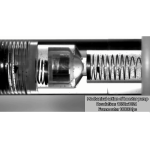




High-speed cameras are fundamental tools for analysing the motion of electrical winding machines, where precision and speed are essential to obtain high-quality products. In these applications, high-speed cameras record the movement of components at extremely high speeds, providing slow-motion footage that reveals details that escape the human eye and standard measuring devices.
Motion analysis of winding machines
Electrical winding machines, used in sectors such as the production of motors, transformers and generators, must operate with a high level of precision. The rotation speed and the interaction between the various components, such as the winding drum, the wire and the feed systems, require accurate analysis to avoid defects such as irregular windings or wire breaks. High-speed cameras capture the motion at high resolution, analysing every stage of the process.
Process diagnostics and improvement
Slow-motion footage allows technicians to examine component movements and identify problems that could compromise winding quality, such as wire misalignment or the incorrect speed of the winding motor. For example, by observing in slow motion how the wire passes through the guides, any jams or vibrations that could damage the material or reduce process efficiency can be identified. By analysing these details, precise changes can be made to the machines, improving the quality of the final product and reducing scrap.
Predictive maintenance and reduced downtime
Another important application of high-speed cameras is predictive maintenance. Slow-motion footage can detect abnormal vibrations or irregular movements that could indicate an imminent failure of mechanical components, such as gears or motors. Thanks to this analysis, maintenance can be carried out promptly before a serious failure occurs, reducing machine downtime and increasing equipment reliability.
Quality optimisation
Slow-motion analysis of electrical winding machines makes it possible to optimise quality control. High-speed cameras make it possible to observe every detail of the winding process, such as how the wire is laid on the drum or how it is tensioned. This information is fundamental to ensure that every winding is performed correctly, preventing errors that could affect the electrical performance of the final product. In addition, detailed analysis of the winding process can be used to refine machine programming, improving production efficiency.
Advantages of high-speed cameras
The main advantages of using high-speed cameras to analyse electrical winding machines include:
- Precision and detail: slow-motion footage provides an in-depth view of component movement, improving quality control.
- Predictive maintenance: identifying problems before they become costly failures, reducing downtime and increasing reliability.
- Process optimisation: enabling targeted corrective action to improve the efficiency and quality of the production process.
Conclusion
High-speed cameras are indispensable tools for improving the operation of electrical winding machines. Thanks to their ability to capture motion in slow motion, these technologies make it possible to optimise the quality of the final product, improve operational efficiency and reduce unexpected failures, leading to greater reliability and productivity of production lines.
Video documentation
 Vuoi un aiuto nella scelta del prodotto ?
 Copyright by RODER SRL – Oglianico (TO) – Italy
Website: www.roder.it
Machine vision division: www.rodervision.com
Measuring instruments division: www.innovacheck.com