






High-speed cameras are essential tools for motion analysis in industrial applications, such as film winding machines. These machines, used for packaging and the production of plastic film, must operate with great precision to ensure uniform, defect-free winding. High-speed cameras make it possible to monitor and analyse machine movement in real time, optimising processes and improving the quality of the final product.
How film winding machines work
Film winding machines are designed to wind reels of plastic film quickly and efficiently, ensuring that the material is distributed evenly and without creases or defects. However, the rapid movement of components such as rollers, guides and motors makes it difficult to monitor the process accurately without advanced technologies. High-speed cameras can record millions of frames per second, capturing details that are invisible at normal speeds and turning them into slow-motion footage that can be analysed with extreme precision.
Motion analysis and defect identification
One of the crucial aspects of film winding is tension control of the material during winding. If the tension is not uniform, creases, tears or other defects can form in the film. High-speed cameras make it possible to monitor material movement in real time, recording details such as the film’s travel speed, direction and alignment with the guides. Thanks to slow-motion footage, it is possible to observe any fluctuations in tension, vibrations and oscillations that could compromise product quality.
Visual analysis of the footage can reveal problems such as:
- Tension variations that could lead to tears or irregularities in the film.
- Obstructions or jams as the film passes between the rollers.
- Misalignments in machine components causing discontinuities in the winding.
Optimisation of production processes
Slow-motion video, combined with analysis of the data collected, makes it possible to optimise the winding process. By identifying defects in real time, errors can be corrected immediately, avoiding material waste and reducing machine downtime. In addition, high-speed motion analysis makes it possible to improve machine design, optimising component layout and synchronisation between motors and rollers, thus improving the overall efficiency of the production process.
Predictive maintenance and energy saving
The use of high-speed cameras is not limited to the production phase. These technologies can also be used to implement predictive maintenance strategies. By analysing the movements of mechanical components over time, it is possible to identify any signs of wear, abnormal vibrations or defects in motors and moving parts. This makes it possible to schedule maintenance before serious failures occur, reducing downtime and increasing machine reliability. In addition, an optimised production process reduces energy consumption, leading to greater sustainability.
Main advantages
The main advantages of using high-speed cameras to analyse film winding machines include:
- Greater precision in controlling material movement and managing tension.
- Early defect detection, improving the quality of the final product.
- Optimisation of the winding process, reducing defects and downtime.
- Predictive maintenance, increasing machine reliability and reducing repair costs.
Conclusion
High-speed cameras are fundamental tools for improving efficiency and quality in film winding machines. Slow-motion analysis of rapid movements makes it possible to identify hidden defects, optimise production processes and reduce maintenance costs. Thanks to these advanced technologies, accurate real-time control can be achieved, ensuring more reliable and sustainable production.
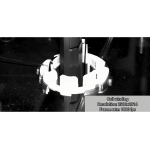
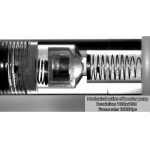
Video documentation

Would you like help choosing the right product ?
Copyright by RODER SRL – Oglianico (TO) – Italy
Website: www.roder.it
Machine vision division: www.rodervision.com
Measuring instruments division: www.innovacheck.com



You must be logged in to post a comment.