






RODER | SIMEX Systems
SIMEX — traceability and efficiency management platform for the recycling chain
SIMEX — Smart Inventory & Manufacturing Efficiency eXecution — is the platform developed for the management and traceability of recyclable materials along the entire chain: from receipt of the waste to sorting, from baling to recycling at the paper mill, through to shipment of the finished product.
The system is organised into four modules, each dedicated to a stage of the cycle or to a material. This page presents the platform as a whole and helps you identify the module relevant to your plant.
On this page
What is SIMEX for? ↑ top
RFID traceability and real-time data across the whole recycling chain.
Which SIMEX module is right for you ↑ up
The four modules follow the material along the cycle: WASTE FLOW and WASTE PACK cover the two consecutive stages of recovered paper, PULPER concerns the paper mill that uses it, and PLASTIC applies the same approach to a different material.
The selection criterion is therefore twofold: at which stage of the cycle the material is in your plant and which material it is. Plants covering several stages can activate several modules, which share the same database.
Collection platforms
SIMEX WASTE FLOW
→
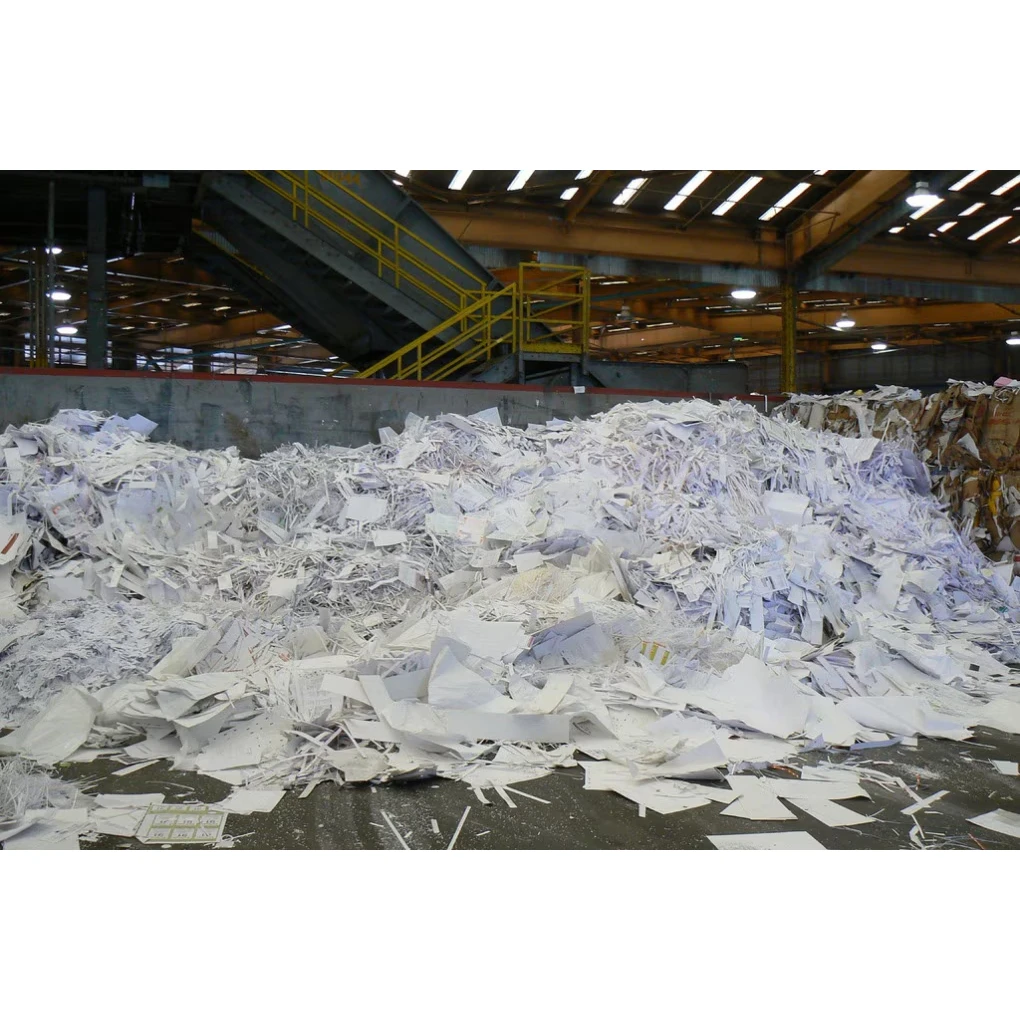
The material arrives loose and has to be accepted, classified and sorted: management of the waste identification form, storage piles, sorting cabin and control of the foreign fraction.
Baling lines
SIMEX WASTE PACK
→
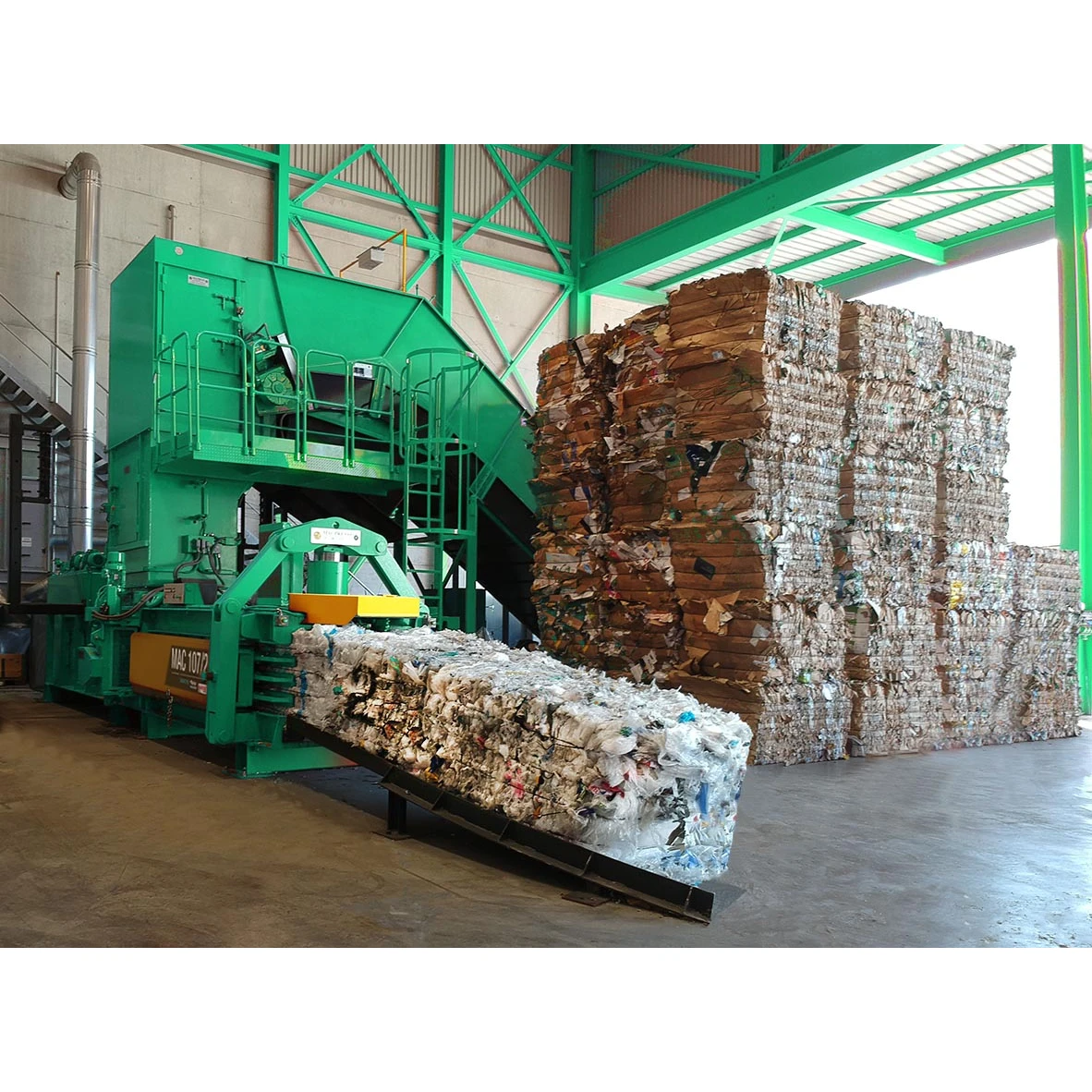
The sorted material becomes a bale: baler, RFID labelling, weighing with density, virtual warehouse and transport documents.
Paper mills
SIMEX PULPER
→

The bale enters production: raw material warehouse, pulper feeding, recipe, recycling yield and traceable reels of recycled paper.
Plastics plants
SIMEX PLASTIC
→

The same approach applied to plastic waste: separation by polymer, baling, warehousing and certification of origin.
What SIMEX is ↑ up

SIMEX is a management and traceability system designed for plants that handle recyclable materials, recovered paper and plastic in particular. Its aim is to turn the movement of material into a measurable, controlled flow of data, from receipt to shipment.
The underlying principle is the unique identification of every unit of material: every bale, every load and every finished product is given a digital identity that accompanies its life cycle, making it possible to reconstruct its origin, characteristics, location and processing status at any time.
Alongside safeguarding regulatory and documentary compliance — waste forms, transport documents, traceability of origin — the system provides objective measurement of the operational efficiency of each stage, so that waste and room for improvement are identified with hard data rather than estimates.
Why trace the recycling supply chain ↑ up
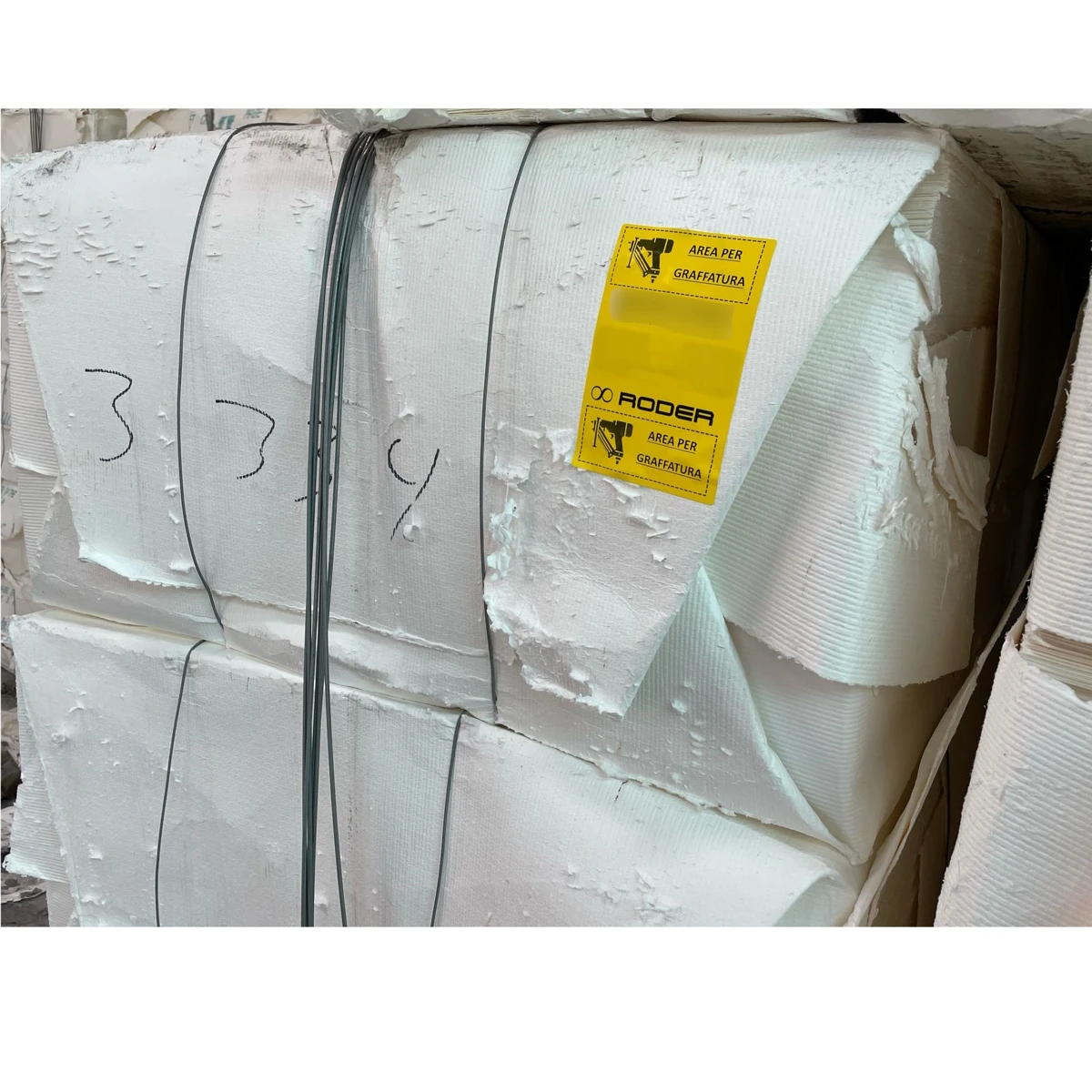
The recycling chain moves large volumes of heterogeneous material, often with manual procedures and paper documentation. The result is a mismatch between declared and actual stock, difficulty in reconstructing the origin of batches and limited ability to measure actual efficiency.
Digital traceability answers three needs. Compliance, because the waste chain requires precise documentation and the ability to reconstruct the origin of what comes in and goes out. Efficiency, because without objective measurement of yields and waste it is impossible to identify bottlenecks.
The third is transparency towards the customer, who increasingly asks for documented guarantees on the origin of recycled material. SIMEX addresses all three through a single architecture, replacing paper-based management with a continuous, verifiable flow of data.
The complete material cycle ↑ up
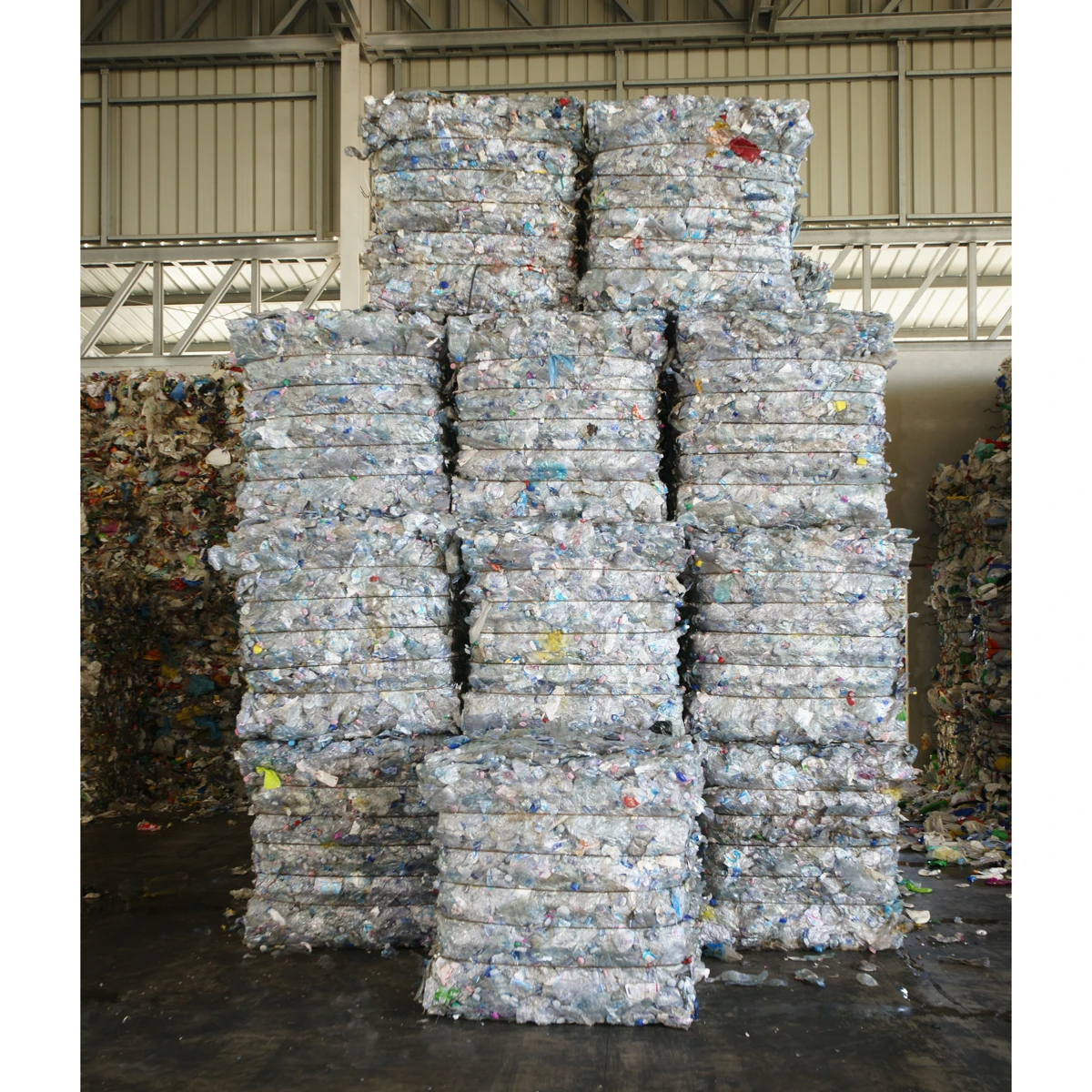
SIMEX follows the material through all its transformations. The typical cycle starts with receipt of the waste, with recording of the weight, coding of the material and linking to the documentation of origin.
The loose material is then sorted to remove contaminants, baled with RFID tag identification, weighed and stored in the virtual warehouse. From there, depending on destination, the bales are shipped or sent to the pulper at the paper mill, where they feed the production of new reels.
It is this continuity that sets SIMEX apart from point solutions applied to a single stage: the value comes from the link between the modules, which makes it possible to correlate the quality of deliveries with process yield and with the characteristics of the finished product.
The technology: RFID, cloud and integration ↑ up
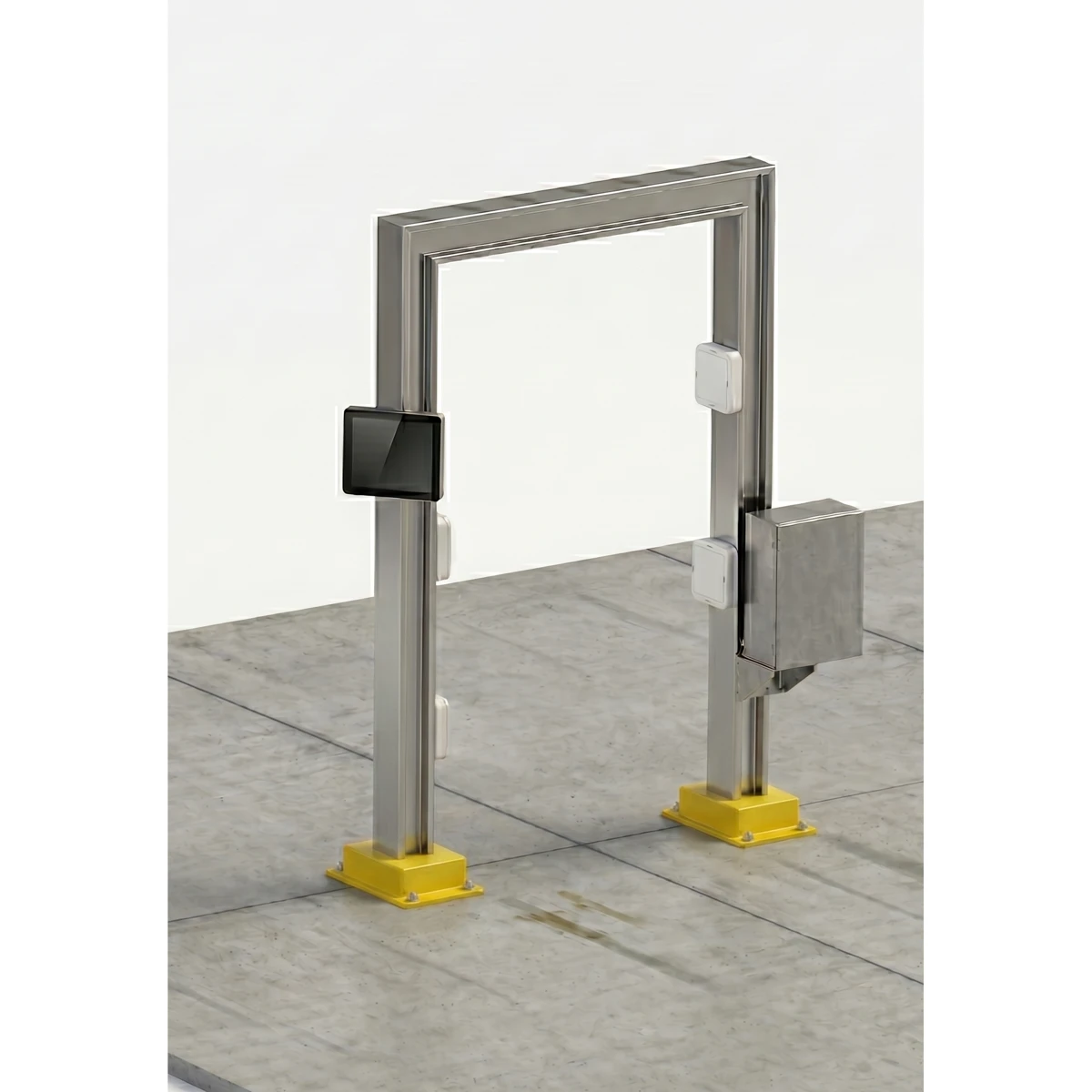
The technological core is RFID technology: tags applied to every unit of material store the characteristics of the product and are read automatically and at a distance, without the direct line of sight that a barcode requires.
The tags are read by handheld readers, by portals with radio-frequency antennas placed at transit points and by readers installed on handling vehicles. The passage of a unit through a portal automatically updates its logistical status, with no manual operations.
The data converge in a cloud platform that processes them and makes them available in real time on dashboards that can be consulted from PC, tablet and smartphone, integrating with plant management systems and with weighbridges, balers and measuring instruments.
Integration and data continuity ↑ up

SIMEX integrates with company management systems (ERP/MES) and with field instruments through native connectors and REST APIs; towards plant machinery it uses the standard automation protocols OPC UA and Modbus TCP/IP.
Integration eliminates double keying, reduces errors and ensures that every piece of information is recorded once only and made available at all levels, from the shop-floor operator to management control.
The architecture is modular and scalable: a plant can initially adopt only the priority functions and progressively extend coverage to other stages, without rebuilds and while maintaining data continuity.
Data security and access ↑ up

Access to the platform is protected by individual authentication, passwords and a firewall, with profiles differentiated by role: each user accesses only the information and functions within their remit.
The availability of data in the cloud allows remote consultation in real time without giving up information protection, and display on large screens is provided for use in the control room.
The combination of access security and full traceability also makes SIMEX suitable for the documentary and control requirements typical of regulated recycling chains, where it is necessary to demonstrate who did what and when.
500K t
tonnes of material monitored in 12 months
1 million
RFID TAGS in circulation managed in the system
100%
product traceability with RFID technology
Applications and sectors ↑ up
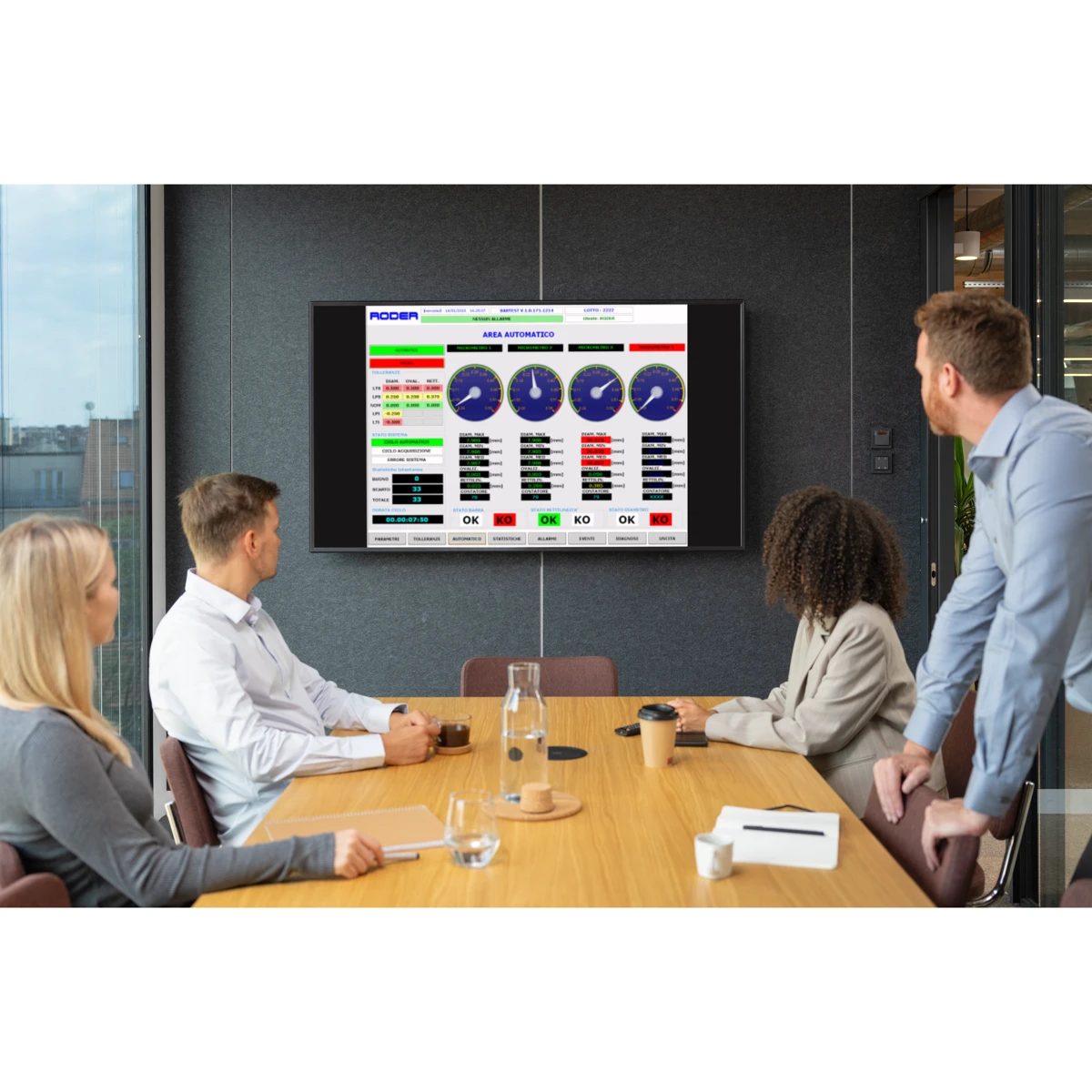
SIMEX applies to plants that manage and recycle recovered paper and plastic, to sorting platforms, to baling centres and to paper mills. In all these contexts the function is the same: to make measurable and documentable what is currently handled with manual records.
Standardising data collection — with the same identification criteria applied to paper and plastic — makes it possible to compare performance across different lines, departments and sites, building up over time a body of knowledge useful for continuous optimisation.
For details of the functions available at each stage, please refer to the four modules described at the top of this page, which go into the process, the data handled and the specific integrations.
Frequently asked questions ↑ top
It is a management and traceability platform for recyclable materials — Smart Inventory & Manufacturing Efficiency eXecution — based on RFID technology, the cloud and integration with plant management systems, covering the entire cycle from receipt to shipment.
SIMEX WASTE FLOW for loose recovered paper and sorting, SIMEX WASTE PACK for baling, bales and logistics, SIMEX PULPER for the cycle at the paper mill through to the reels, SIMEX PLASTIC for application to plastic waste.
On the basis of the stage of the cycle the material is at and the material handled: collection and sorting, baling and shipment, use at the paper mill, or the plastics chain. Several modules can coexist, sharing the same database.
On RFID tags for unique identification, radio-frequency portals and readers, a cloud platform with real-time dashboards and integration with ERP, MES and SCADA via REST APIs and the OPC UA and Modbus TCP/IP protocols.
No: the architecture is modular and scalable. You start with the priority functions and extend coverage over time, maintaining data continuity and without rebuilds.
The information on this page is provided for information purposes. Although it has been compiled with the greatest care, it may contain transcription errors or typos: for precise, up-to-date information please contact RODER SRL directly.
Contacts & Information
Contact for general information : info@roder.it
Machine Vision Division of RODER : www.visiotronix.com
RODER Instruments Division : www.innovacheck.com
More about RODER : about us
The information contained in this website is provided for information purposes only. Although it has been prepared with the greatest care, it does not constitute a contractual offer or a binding commitment to supply. It may contain transcription, translation or typographical errors. For precise and up-to-date information, please contact our company directly.
Note: Some images on this website have been intentionally generated using artificial intelligence (AI). This is because, for many applications and projects, photographs of the actual installation or system cannot be disclosed owing to confidentiality agreements, contractual clauses and non-disclosure agreements (NDAs).
You must be logged in to post a comment.