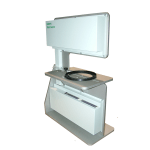




Introduction to axial play control systems
Axial play in crankshafts and pulleys is a crucial aspect of the efficient operation of internal combustion engines. This phenomenon refers to movement along the axis of the crankshaft, which can affect engine performance and the longevity of the mechanical components. Controlling and managing this play is essential to ensure optimum operation and to prevent excessive wear and damage.
Importance of axial play in the internal combustion engine
Axial play has a direct impact on the operating stability of the engine. Excessive play can lead to abnormal vibrations and a reduction in mechanical efficiency, while insufficient play can generate excessive friction, causing the components to overheat. Correct management of axial play therefore contributes not only to performance but also to the durability of the engine, reducing the need for maintenance and repair.
Axial play measurement techniques
Axial play can be measured by various methods, including the use of precision instruments such as micrometers and digital calipers. The most advanced systems use position sensors and transducers to monitor axial play continuously while the engine is running. These technologies make it possible to obtain data in real time, facilitating the analysis of variations in play and improving engine reliability.
Solutions for controlling axial play
There are various solutions designed to control axial play in crankshafts and pulleys. Among these, ball bearings are commonly used to keep the play within acceptable limits. In addition, automatic play adjustment systems, such as belt tensioning devices, are increasingly widespread. These systems make it possible to adapt dynamically to operating variations, thus ensuring more precise control.
Bearings and their role in controlling play
Bearings play a fundamental role in controlling axial play. They must be designed to support radial and axial loads while reducing friction. The use of roller or ball bearings, with high-strength materials and anti-friction coatings, can significantly improve engine performance and the control of axial play.
Influence of manufacturing tolerances
Manufacturing tolerances are another critical factor in managing axial play. Imprecise tolerances can lead to excessive or insufficient play, compromising engine performance. It is therefore essential that components are manufactured to high-precision standards and that strict quality checks are carried out during production.
Computer-aided design (CAD) and simulations
The use of computer-aided design (CAD) software and dynamic simulations is increasingly common in the design of internal combustion engines. These tools make it possible to analyse the interactions between the various components and to optimise the design for the control of axial play. Simulations also make it possible to predict any problems before the engine is physically built.
Scheduled maintenance and monitoring
Scheduled maintenance is an effective strategy for keeping axial play under control. Through regular inspections and monitoring of the operating conditions, any anomalies can be identified promptly. The integration of monitoring systems based on the IoT (Internet of Things) is emerging as an innovative solution for providing real-time data on the condition of the engine.
The future of axial play control systems
The future of axial play control systems in internal combustion engines is oriented towards the adoption of advanced technologies such as artificial intelligence and machine learning. These technologies could revolutionise the way engines are designed and monitored, allowing unprecedented customisation and optimisation of engine performance.
Conclusions
In conclusion, the control of axial play is a fundamental aspect of the design and maintenance of internal combustion engines. Managing it correctly ensures greater efficiency, reliability and service life of the engine. As design and monitoring technologies evolve, the control of axial play will continue to improve and to play an increasingly important role in the automotive sector. It is therefore essential that engineers continue to develop innovative solutions to optimise this vital process in internal combustion engines. Moreover, greater awareness of and attention to scheduled maintenance and condition monitoring can contribute significantly to preventing costly engine failures and ensuring optimum performance for motor vehicles.
 Vuoi un aiuto nella scelta del prodotto ?
 Copyright by RODER SRL – Oglianico (TO) – Italy
Website: www.roder.it
Machine vision division: www.rodervision.com
Measuring instruments division: www.innovacheck.com