






High-speed cameras are fundamental tools for analysing the behaviour of cavitating fluids, a phenomenon that occurs when the pressure of a fluid falls below its vapour pressure, causing vapour bubbles to form and then collapse. This dynamic process, which occurs at high speed and in extremely short times, is difficult to observe in real time. High-speed cameras, capable of recording thousands or millions of frames per second, make it possible to study and understand in detail how fluids behave during cavitation.
Understanding Cavitation
Cavitation is a phenomenon that can occur in various industrial settings, such as pumps, turbines, marine propellers and engine injection systems. During cavitation, the formation of vapour bubbles can damage mechanical components through impact erosion and vibration. Analysing this process is crucial to avoid damage and improve equipment performance.
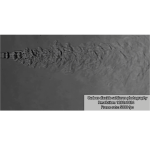
High-speed cameras make it possible to observe details invisible to the naked eye. In particular, these cameras record the formation, growth, movement and collapse of cavitation bubbles, making it possible to understand how the fluid behaves under given pressure and velocity conditions. With slow-motion viewing, the dynamics of the bubbles and their interaction with the surrounding surfaces can be monitored, thus improving understanding of the phenomenon.
Defect Detection and Process Optimisation
High-speed cameras are essential for detecting defects and anomalies in processes involving cavitation. By observing the behaviour of cavitation bubbles, problems such as erosion or surface damage to parts in contact with the fluid can be identified. These defects can compromise the efficiency and service life of plants, but thanks to slow-motion recording it is possible to intervene promptly to optimise operating conditions.
For example, in a pumping plant, cavitation analysis with high-speed cameras makes it possible to monitor bubble formation and dynamics. If the cavitation intensity is too high, the fluid can damage the pump blades. Thanks to the detailed view, the speed and pressure of the fluid can be adjusted to reduce or prevent this damage, improving plant reliability.
Cavitation Analysis in Marine Applications
In the marine sector, cavitation affects propellers and turbine blades. The formation of vapour bubbles and their subsequent collapse can damage propeller surfaces, reducing the efficiency and service life of the components. High-speed cameras make it possible to observe cavitation behaviour at the propellers, enabling engineers to design more resistant components and optimise the design to minimise harmful effects.
Monitoring and Prevention in Combustion Engines
In internal combustion engines, cavitation can occur in fuel injection systems, where vapour bubbles can adversely affect combustion. High-speed cameras are used to observe the behaviour of the cavitating fluid in the injection system, analysing how the bubbles affect fuel flow and air-fuel mixture formation. This analysis makes it possible to optimise the injection process to improve efficiency and reduce emissions.
Sectors of application
High-speed cameras for cavitation analysis are used in various industrial sectors:
- Pump and turbomachinery engineering: to optimise plant operation and reduce damage caused by cavitation.
- Marine sector: to improve propeller design and reduce wear caused by cavitation.
- Automotive and aerospace industry: to analyse cavitation in combustion engines and optimise injection systems.
- Energy sector: to monitor cavitation in hydroelectric plants and optimise turbines.
Conclusion
High-speed cameras provide a detailed view of cavitation phenomena in fluids, making it possible to analyse the formation, behaviour and collapse of vapour bubbles. These technologies are essential for preventing damage and optimising industrial processes in which cavitation is a critical factor, such as pumps, propellers, combustion engines and turbines. By using high-speed cameras, companies can improve operational efficiency, reduce maintenance costs and extend component life.
Video documentation

Would you like help choosing the right product ?
Copyright by RODER SRL – Oglianico (TO) – Italy
Website: www.roder.it
Machine vision division: www.rodervision.com
Measuring instruments division: www.innovacheck.com


You must be logged in to post a comment.